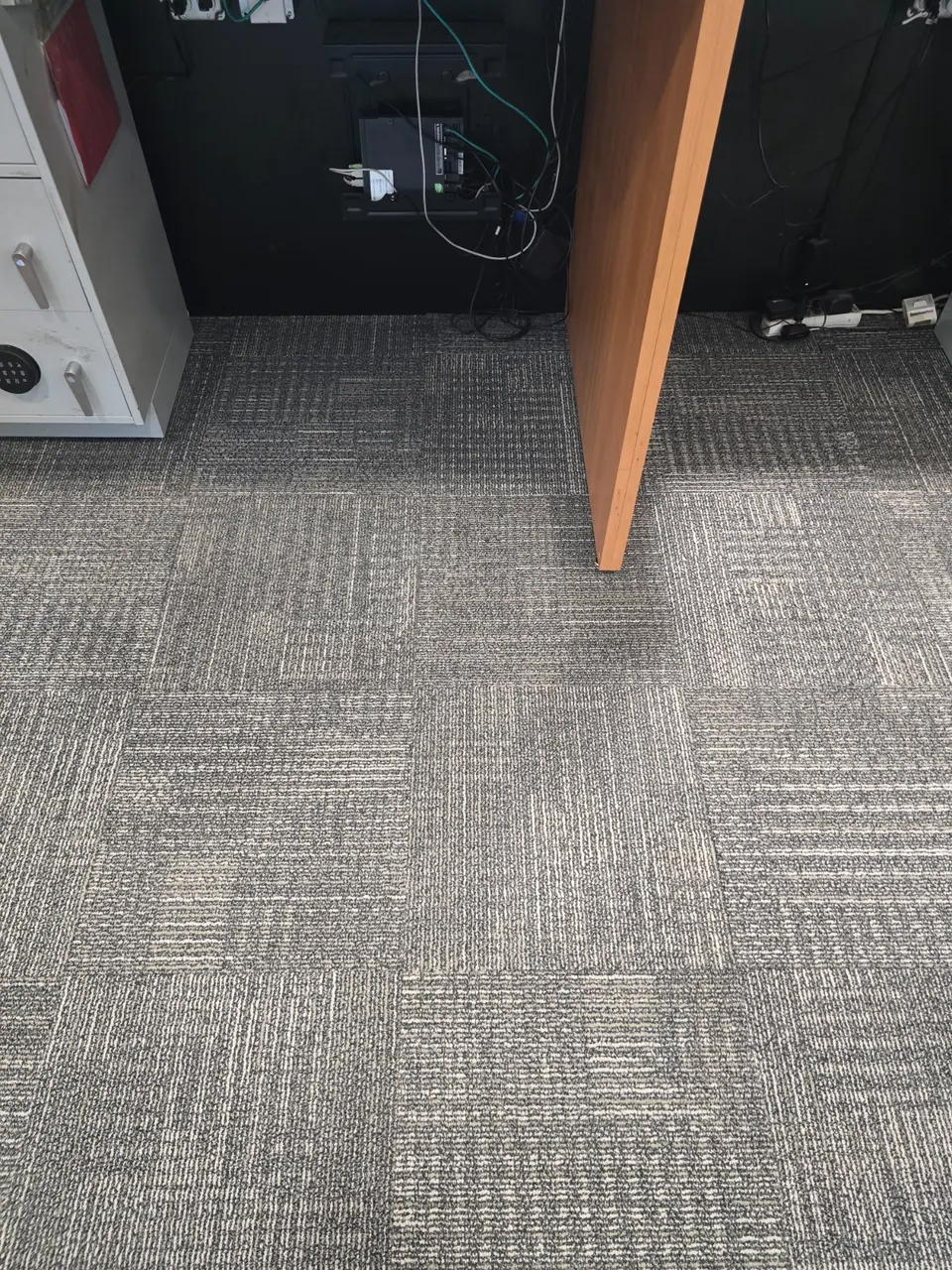
How Often Should Commercial Carpets Be Cleaned?
A busy reception area and a rarely used meeting room should not automatically share the same cleaning schedule. Start with how each space is used, then decide what attention it needs.
There is no single interval for every commercial carpet. Use the manufacturer’s care requirements, traffic levels, soil conditions and results from previous cleaning to set a schedule for each zone.
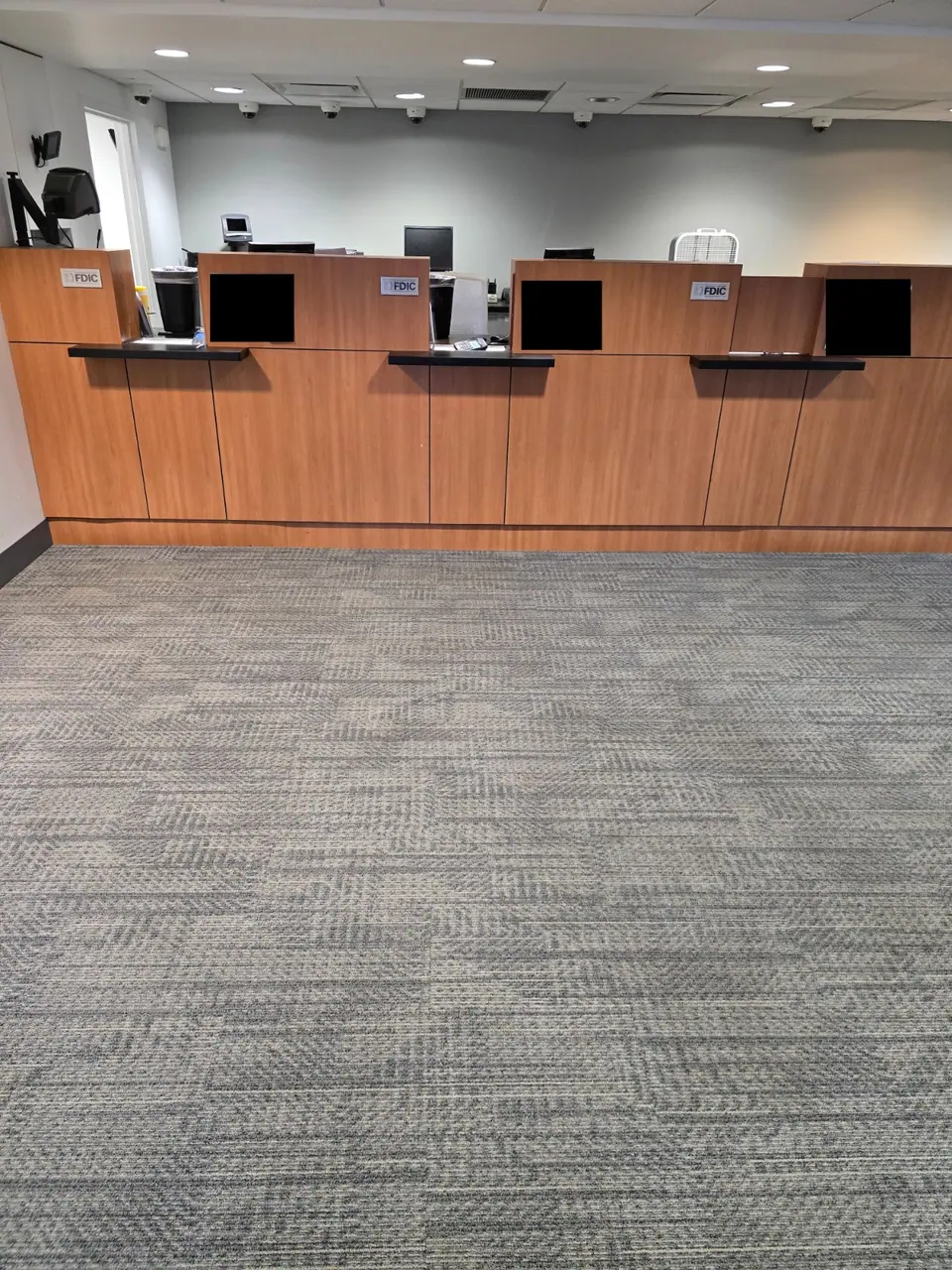
Map the building before choosing a frequency
Mark entrances, reception seating, corridors, workstations and meeting rooms on a simple floor plan. Record where people enter from outdoors, carry drinks or gather throughout the day. A small entrance can need more attention than a much larger room with occasional use.
Include practical constraints alongside the map. A corridor that must stay open, a security desk staffed late into the evening and a meeting suite booked all week will influence how the work can be phased. Share the plan with both the cleaning provider and the person who controls building access.
Separate routine care from deeper cleaning
The Carpet and Rug Institute describes a maintenance program that includes soil prevention, vacuuming, spot attention, interim maintenance and deep cleaning. It links cleaning frequency to the space’s use and soiling, as well as manufacturer requirements. A deep-cleaning appointment is therefore one part of the program, rather than the whole plan.
Reference: Carpet and Rug Institute: CRI 204 commercial maintenance standard ↗
- Routine care: name who checks entrances and deals with reported spots.
- Interim work: identify traffic lanes needing attention between deeper cleaning visits.
- Deep cleaning: agree the rooms, method and access arrangements in advance.
- Review: record whether each zone is maintaining the appearance you agreed.
Use observations instead of a guess
Give each zone a short record: last service, reported spills, areas becoming visibly different and any changes in occupancy. Photographs taken from the same position can make later discussions clearer. They are a reference for appearance, not a test of cleanliness or a guarantee that every mark can be removed.
For example, a reception area may need its plan reviewed after a new tenant moves in, while an unused meeting room may retain the existing schedule. This is an illustrative planning example; the actual frequency should follow the property assessment. Ask the provider to explain why a proposed interval fits each space.
Plan the return to use
Ask which areas will be unavailable and how occupants will be told when they can return. Do not assume that finishing the cleaning means a room is ready immediately. The selected process, carpet and conditions need to be considered when discussing drying and reopening.
Confirm furniture responsibilities as well. A price for exposed carpet may exclude moving filing cabinets, desks or electronic equipment. Write those boundaries into the scope so the schedule and the amount of accessible carpet match.
Your planning checklist.
- Carpet manufacturer and available care instructions
- Traffic zones and current maintenance arrangements
- Known spills, wear and previous cleaning dates
- Rooms that must remain accessible
- Furniture moving and return-to-use responsibilities
The useful question is not just “How many visits?” It is “Which areas, what work and how will we review the result?”
Put the plan into practice.
Explore the relevant service, then tell us about the property and the work you want to discuss.