A Building Manager’s Window Cleaning Checklist
“Clean the windows” can mean anything from entrance-door glass to both sides of an entire building. A short inventory helps turn that request into a useful quotation.
List the glass to be cleaned, which sides are included, the known glass or film requirements and how each area can be reached. Confirm frames, sills and specialist residue removal separately.
Make a glass inventory
Start at the main entrance and work through the building. Separate entrance doors, exterior windows, interior partitions and any other glazing you want included. Record both location and quantity using a consistent counting method. A provider may count panes differently, so compare the marked-up plan as well as the total.
Identify whether each area needs interior cleaning, exterior cleaning or both. Note screens, accessible sills, frames and tracks as separate items. These details prevent an expectation about surrounding surfaces from being mistaken for something already included in a glass-only price.
Share what is known about the glass
Tell the contractor about applied films, coatings and available manufacturer instructions. Vitro Architectural Glass recommends a small test clean and gives different care guidance for particular coated products. Its guidance also cautions against metal cleaning tools. A method suitable for one glazing product should not simply be assumed suitable for another.
Reference: Vitro Architectural Glass: proper glass cleaning ↗
- Mark films, coatings or decorative treatments that are known.
- Report visible scratches, chips and damaged seals before work.
- Describe paint, adhesive or construction residue separately from everyday soil.
- Ask for uncertain surfaces or residues to be assessed before the method is approved.
Make access part of the quotation
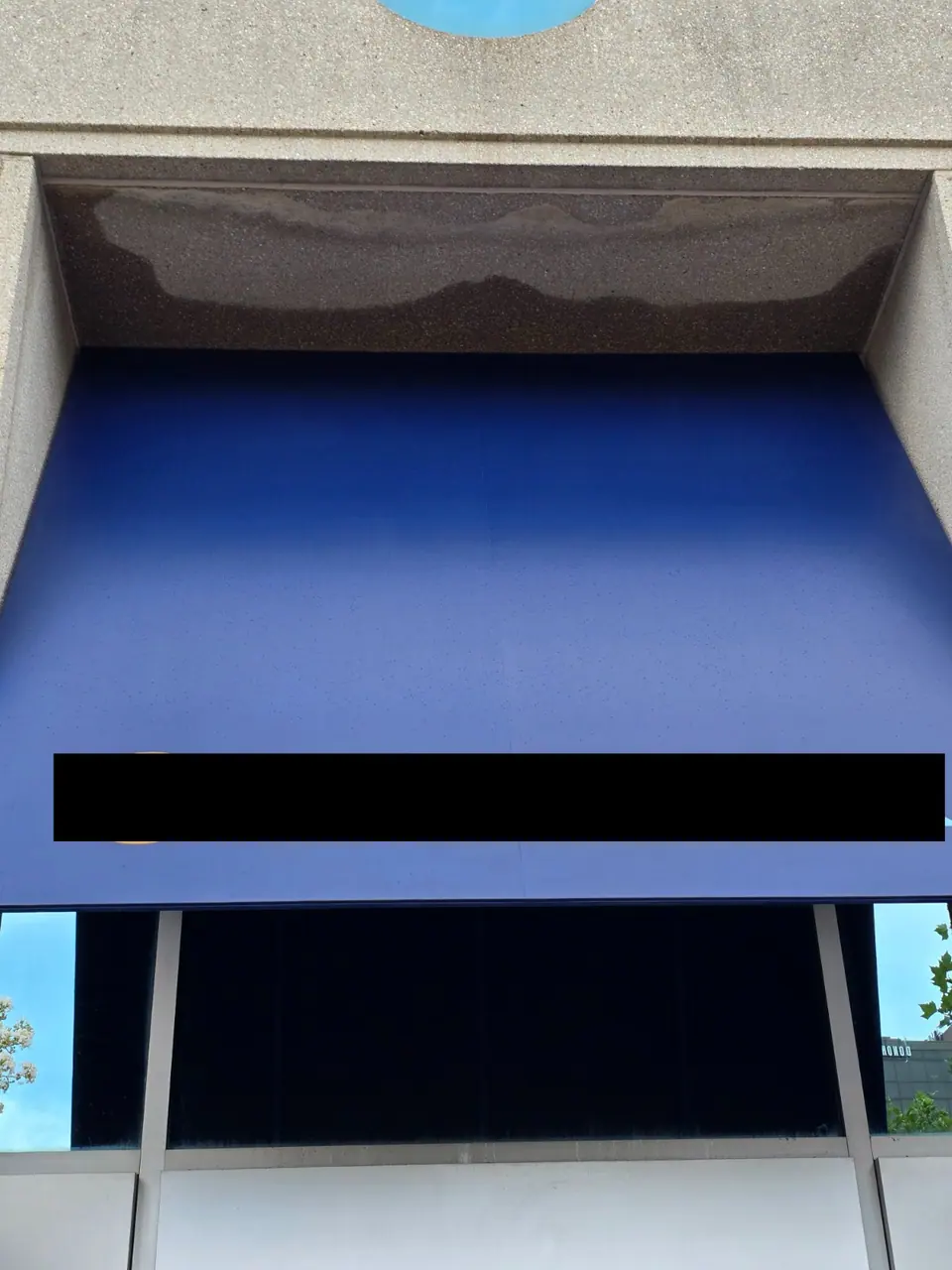
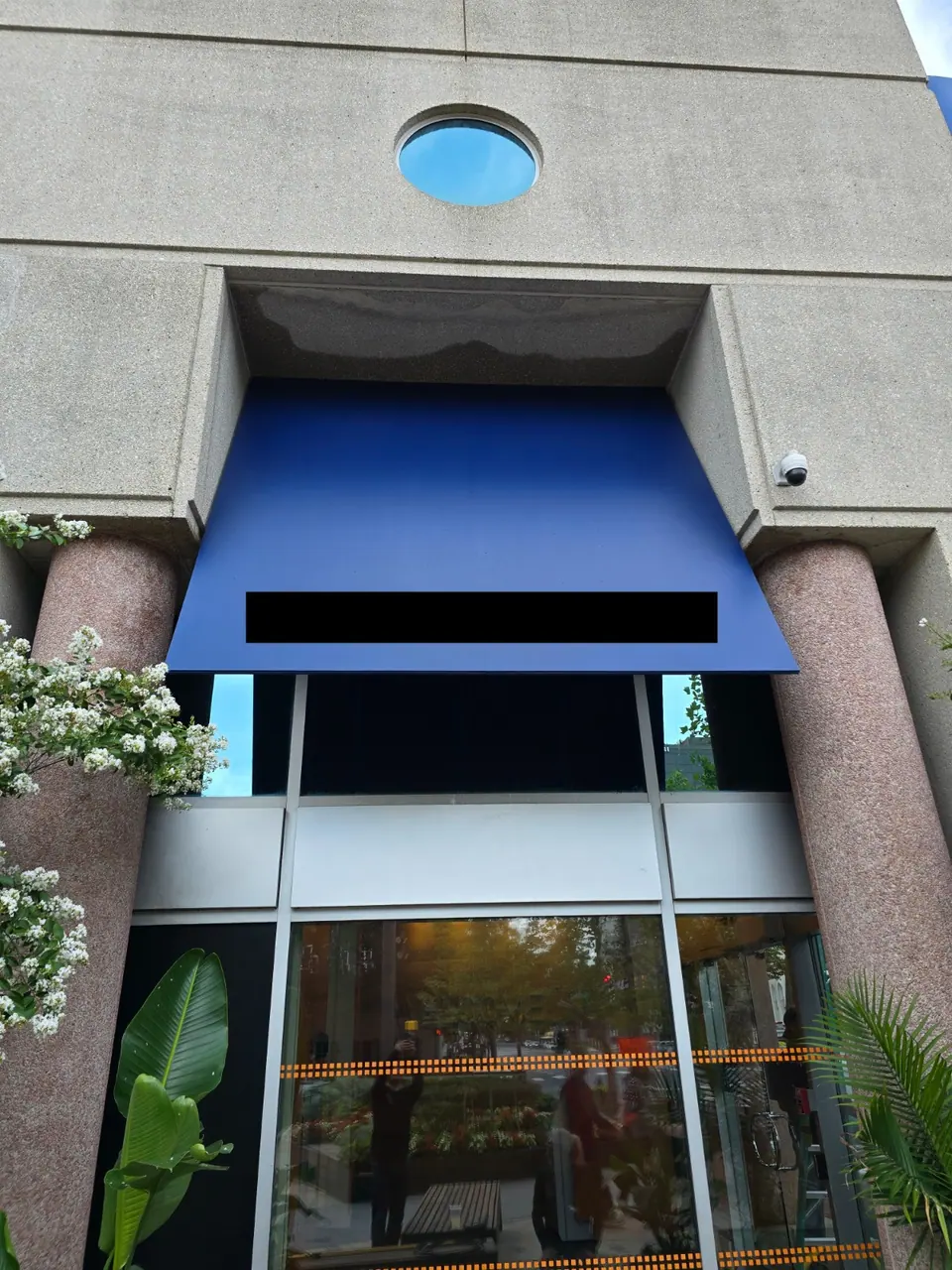
Share photographs showing the whole elevation, surrounding landscaping and nearby entrances. The height alone does not describe the access problem. A glazed area above a canopy, for example, may require a different plan from one beside a clear ground-level approach.
Inside the building, identify desks, displays and equipment in front of windows. Decide who moves those items and who authorizes entry to locked rooms. For exterior work, ask the provider to specify access arrangements and any separate permissions or equipment requirements before a date is promised.
Arrange the visit and review
Choose a contact who can answer access questions on the day. Tell occupants which rooms or entrances are affected, and agree how public routes will be kept available or redirected. Discuss how weather-related rescheduling will be communicated for exterior work.
At completion, walk the included areas against the inventory. Record inaccessible sections and any marks that need a different assessment. A good handover distinguishes remaining soil from scratches, staining or defects that were outside the cleaning scope. Keep that record for the next service, especially when different teams manage the interior and exterior.
Your planning checklist.
- Marked glass inventory with sides clearly specified
- Known films, coatings and care documentation
- Frames, sills, tracks and residue exclusions
- Access, furniture and occupant arrangements
- Review contact and rescheduling procedure
A clear window-cleaning scope describes the glass, surrounding surfaces and access—not just a pane count.
Put the plan into practice.
Explore the relevant service, then tell us about the property and the work you want to discuss.