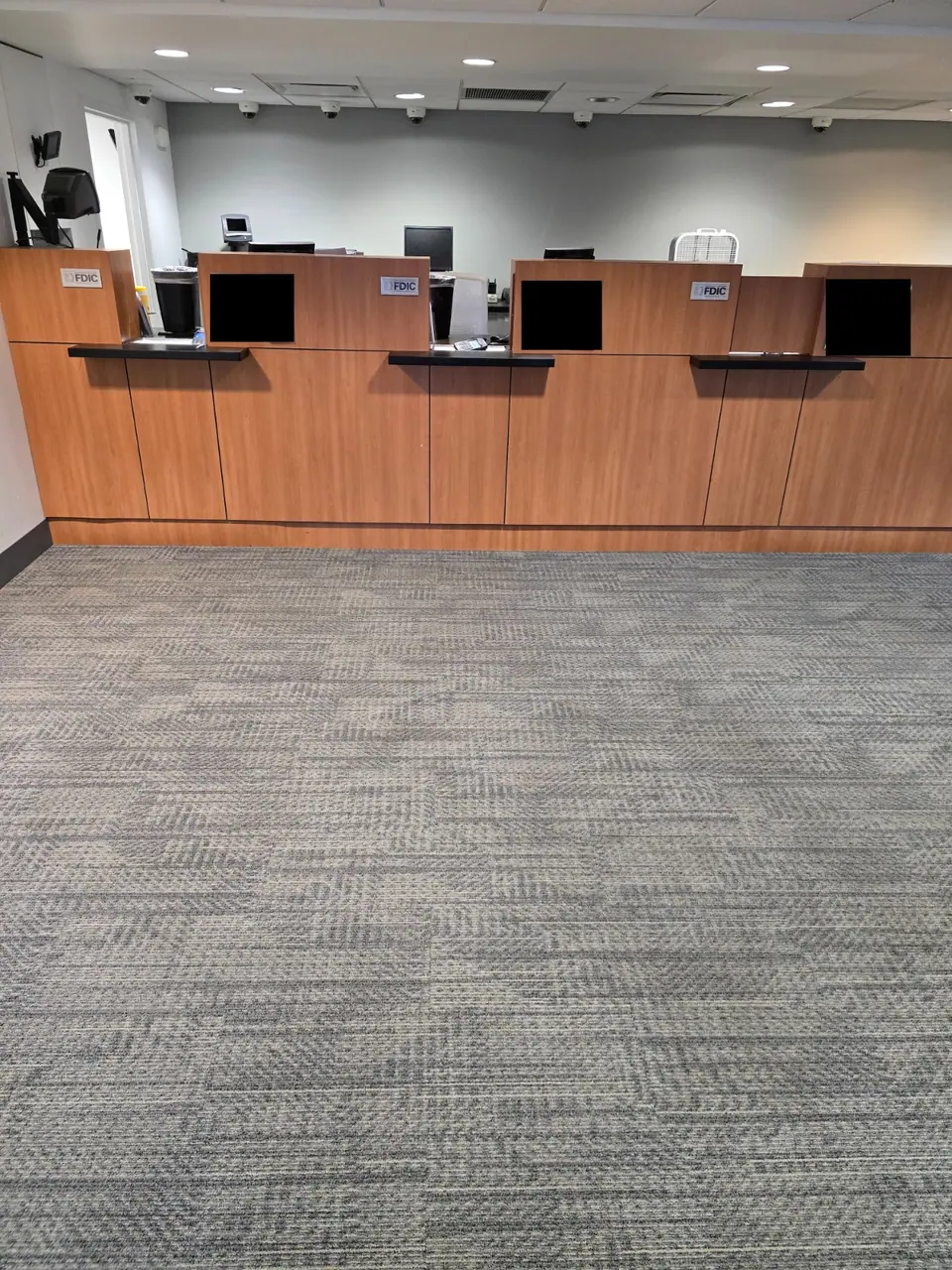
Suite or whole floor
Identify what you control: your suite, a whole floor or a shared workspace with common areas. The proposal separates your rooms from anything the building manager already cleans.

An office is judged by the rooms people walk into first: reception, the meeting room, the kitchen. Agree which rooms are cleaned on which days, how desks are handled and when the crew can be in the suite, with a Rockville-based team and a written scope.
Written scope before work. Certificate of insurance on request.

Every account starts with a free on-site walkthrough and a written proposal within 24 hours, so you know exactly what will be cleaned and when.
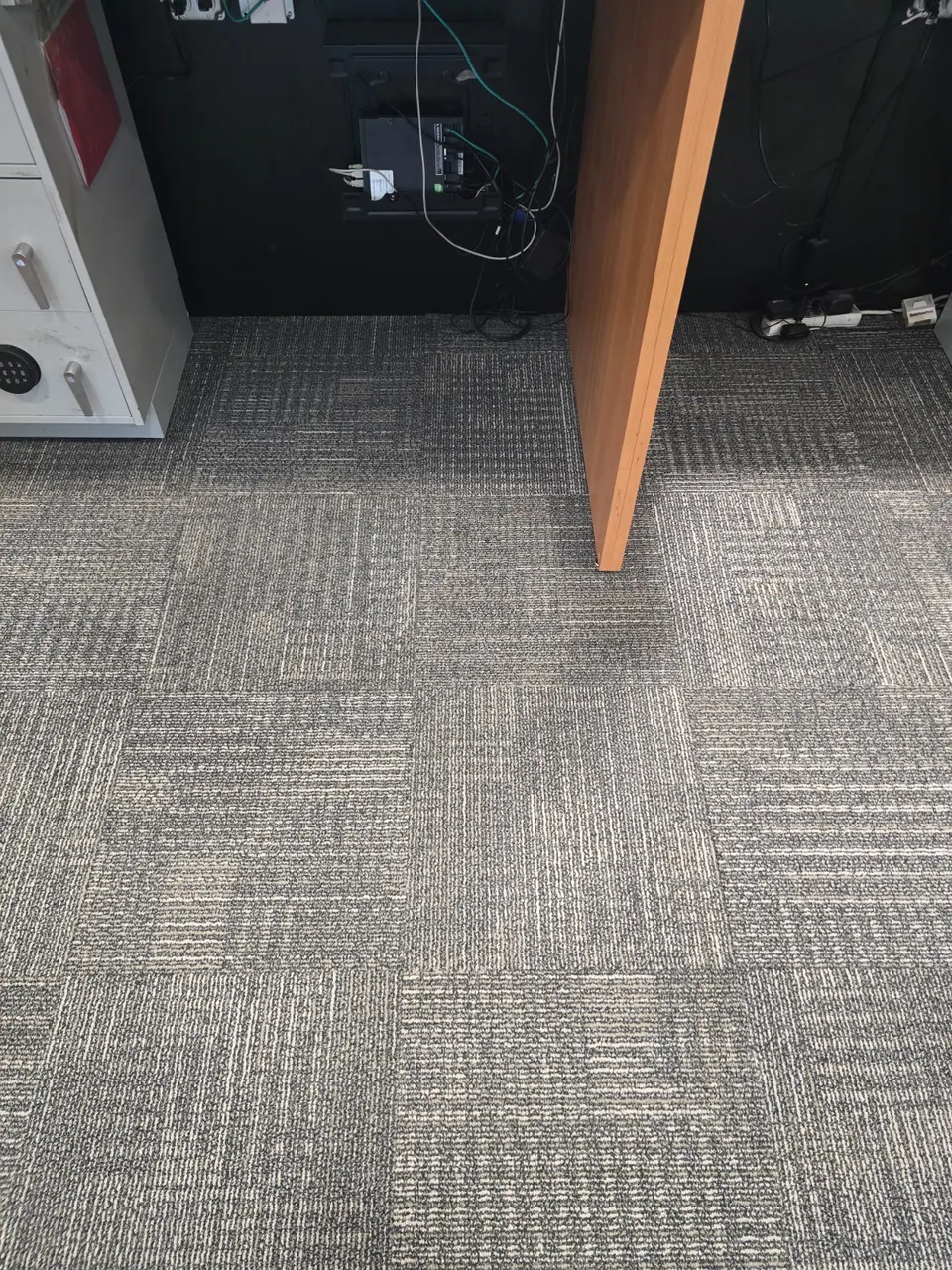
Care begins
with the first step.
Most offices are no longer full five days a week. A useful office cleaning specification follows the real pattern: the busy days, the meeting rooms that turn over, the kitchen that fills by Thursday, the restrooms inside the suite and the ones the building manages. At the walkthrough, discuss the desk policy, any confidential-paper rules, the rooms that stay locked and the hours the crew can work.
Identify what you control: your suite, a whole floor or a shared workspace with common areas. The proposal separates your rooms from anything the building manager already cleans.
Decide whether desks are cleared and wiped, surfaces only, or left alone, and which rooms, drawers and documents are off limits. That goes in the specification so every visit follows the same rule.
These are the rooms clients and staff notice. Agree the tasks and the days for each, including meeting-room resets and the kitchen clean-down, before the recurring schedule is set.
The assessment establishes what is needed. Tasks and exclusions are agreed for your property.
Surfaces, glass, chairs and tables reset for the next day.
Desk surfaces and bins, to the desk policy you set. Screens and equipment only if agreed.
Counters, sinks, appliance exteriors, tables and floors.
Fixtures, dispensers, floors and waste, every visit.
Vacuuming and mopping; periodic extraction listed separately.
Carpet extraction, interior glass or a deep clean before an event or a move.
You do not have to work everything out at once. Here is how an enquiry becomes a clear plan for the property.
Review the rooms, surfaces, users and access arrangements.
Agree which office cleaning tasks and days belong in the proposal.
Discuss the written work schedule, responsibilities and price.
Confirm availability, contacts and how completed work will be reviewed.
Suite size is only one factor. Headcount on the busiest day, kitchen and meeting-room use, restroom count, floor finishes and the hours the crew can work all affect the proposal. Compare quotes against the same room list and days.
Approximate square footage, the rooms, and whether the restrooms are inside the suite.
Building hours, key or fob arrangements, alarm procedures and where the crew can park.
Clear-desk policy, confidential documents, server or records rooms that stay locked.
Practical answers for planning the work at your property.
Build the schedule around the days people are in, visitor traffic and the rooms that need to be ready at opening. Restrooms and kitchens in a busy suite usually need attention every working day; a hybrid office with quiet Mondays and Fridays may need fewer visits. Agree that room by room at the walkthrough.
Yes. Tell us the busy days and the quiet ones. The specification can concentrate visits on the days the office is full and keep a lighter check on the others, so you are not paying for a five-day routine in a three-day office.
Only to the policy you set. Some offices want desks cleared and wiped, others surfaces only around what is left on the desk, and some prefer desks untouched. Screens, keyboards and equipment are only cleaned if that is agreed in the specification.
Identify the rooms that stay locked and any rules on paperwork before the first visit. Those go in the specification, the crew works to them every time, and one contact on each side handles anything unusual.
Yes. Most office cleaning is scheduled after the last person leaves or before the first arrives. Explain the building hours, entry and alarm arrangements, and the team will confirm what is practical for your suite.
It can be. Counters, sinks, appliance exteriors, tables and floors are usually part of the routine. Dishes and the inside of the refrigerator are agreed separately, because every office handles them differently.
Office cleaning is quoted after reviewing the suite and the schedule you want, rather than at a flat rate. Headcount, the rooms included, restroom and kitchen use, floor finishes and the hours the crew can work all influence the price. Ask for a written proposal that lists the rooms, tasks and days before you approve it.
Yes. A one-time clean can be planned around a client visit, an event, a move in or a move out. Explain the date, the rooms and anything periodic you want included, such as carpet extraction or interior glass, so it is quoted as its own project.
The office cleaning proposal is based on the rooms, tasks, days and access arrangements discussed at the assessment. Review the written scope and price before agreeing to work, and identify who can approve the proposal and whether periodic tasks need separate arrangements.
Include your name, a working phone number or email, the full property address and the service you want to discuss. Describe the office briefly: approximate size, headcount on a busy day and whether restrooms are inside the suite. The initial enquiry starts a conversation; the walkthrough establishes the actual scope before any visit is agreed.
Local context and practical details for the property you want to discuss.
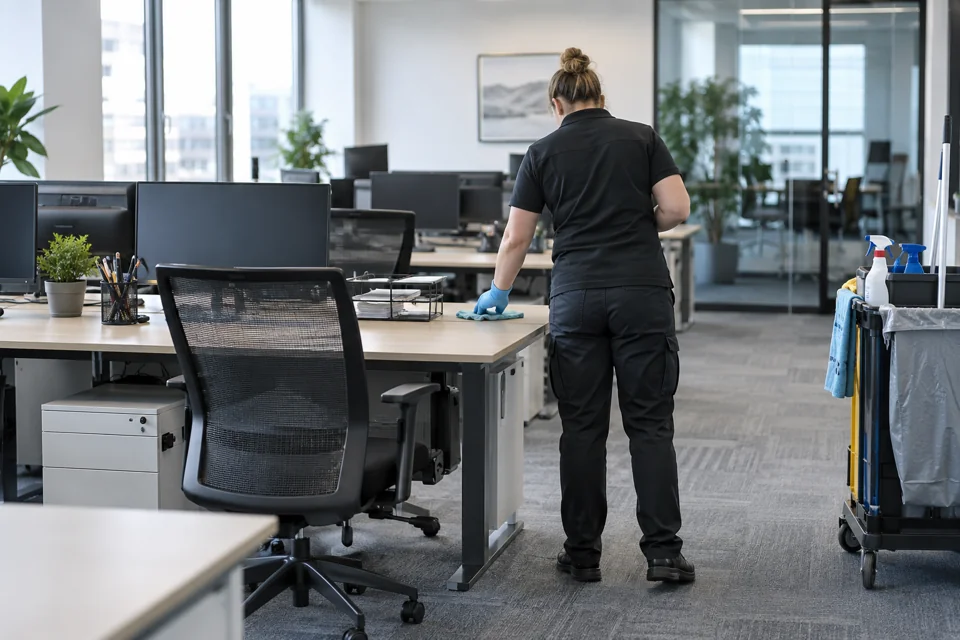 Commercial cleaning
A cleaning specification that fits the way your building is used. Begin with a walkthrough, then agree the tasks, frequency and access arrangements.
Explore the serviceCommercial cleaningRecurring nightly or weekly cleaning for buildings and suites: restrooms, trash, floors and consumables on a schedule that follows occupancy.
Explore the service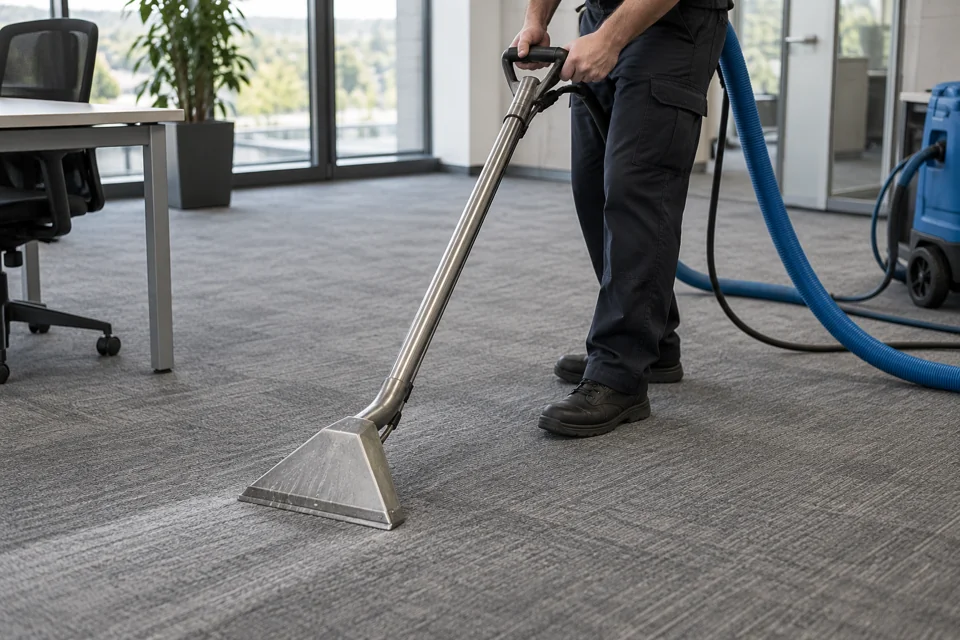 Floor & carpet care
Commercial carpet extraction planned around traffic, soil and the hours the space is free. Routine vacuuming and periodic extraction are listed separately.
Explore the serviceBuild a commercial carpet cleaning schedule around traffic, soil and manufacturer guidance, with a practical zone-by-zone planning checklist.
Read the guideBefore booking terrazzo floor care, identify the existing surface and finish. Learn what to ask about cleaning, sealing, polishing and restoration.
Read the guidePlan commercial window cleaning with a clear glass inventory, interior and exterior scope, access arrangements and a practical handover checklist.
Read the guideTell us about your office and the cleaning schedule you want to discuss.